Beyond its entertainment value, Bright Navratri plays an important role in preserving and promoting Indian culture, especially among younger generations. In an increasingly globalized world, where many young Indians are losing touch with their traditional roots, the game serves as a fun and engaging way to learn about and celebrate Navratri traditions.
Navratri is one of India’s most important festivals, celebrated with great enthusiasm across the country. It honors the nine forms of the goddess Durga, and is a time for family gatherings, feasting, dancing, and prayer. However, in recent years, the festival has become increasingly commercialized, with many young people focusing more on the party aspect of Navratri than its cultural and spiritual significance.
Bright Navratri seeks to address this by making traditional Navratri practices accessible and enjoyable for young people. Through its gameplay, the game teaches players about the history and significance of Navratri, the importance of rituals like aarti and prasad, and the different ways the festival is celebrated in various parts of India.
“As a parent, I’m always looking for ways to teach my children about our culture. Bright Navratri has been a game-changer – my kids now ask me about the nine forms of Durga, and they’re excited to learn about garba and dandiya. It’s amazing to see them connect with their roots through a game!” – Rakesh Mehta, Delhi
The game has also helped to promote regional diversity within India, showcasing the different Navratri traditions from across the country. Players from Gujarat can learn about the Durga Puja traditions of West Bengal, while players from Tamil Nadu can discover the garba styles of Rajasthan. This cross-cultural exchange helps to foster unity and understanding among Indians from different regions.
Preserving Folk Art and Music 🎶
One of the most important cultural contributions of Bright Navratri is its role in preserving traditional folk art and music. The game features a wide range of folk music from different regions of India, many of which are at risk of being forgotten in the age of Bollywood and Western music.
The developers of Bright Navratri have worked with folk artists from across India to record authentic music for the game. These artists, many of whom struggle to make a living from their craft, have received exposure to a new audience through the game, helping to keep their art forms alive.
The game’s dance choreography also helps to preserve traditional garba and dandiya styles. Many young people today are more familiar with Bollywood-style garba than traditional garba, but Bright Navratri teaches them the authentic steps and movements, ensuring that these traditional dance forms are passed down to future generations.

Folk artists from Gujarat recording music for Bright Navratri
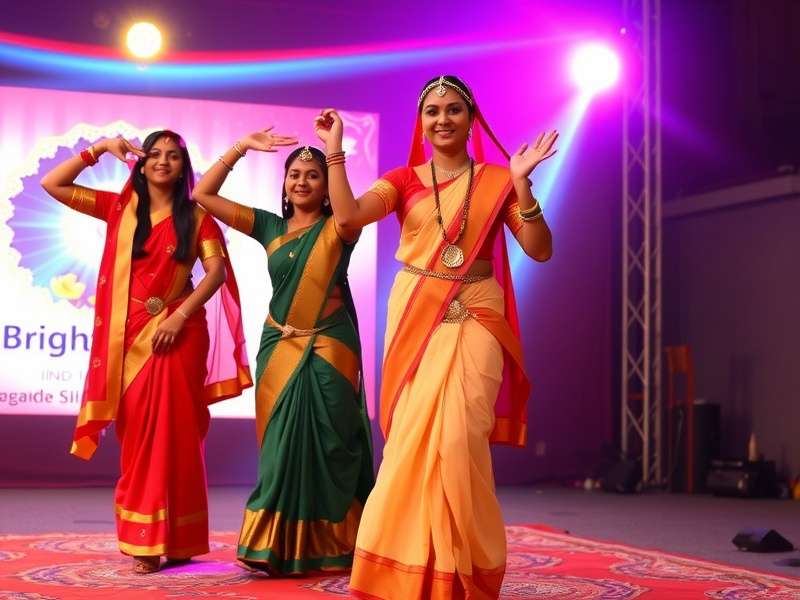
Professional garba dancers choreographing moves for the game
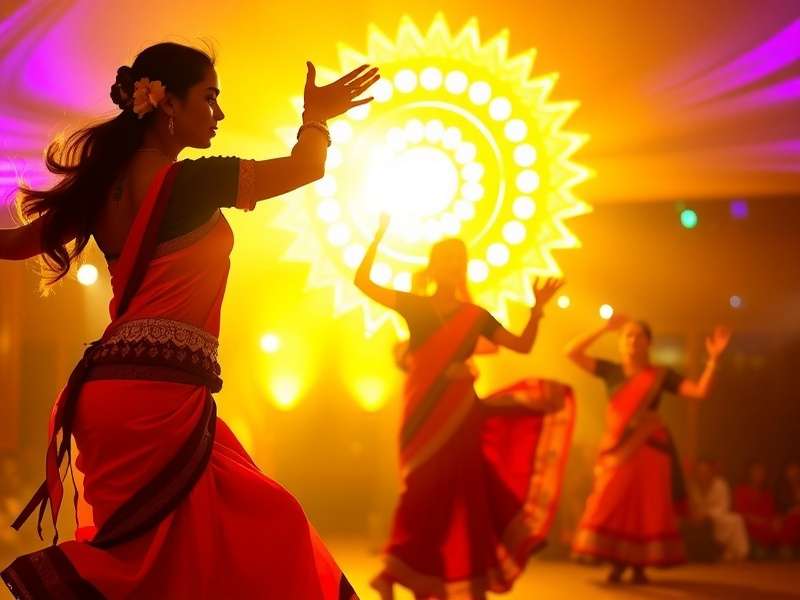
Cultural workshop organized by Bright Navratri to promote folk art
Promoting Cultural Tourism 🗺️
Bright Navratri has also had a positive impact on cultural tourism in India. The game features virtual versions of famous Navratri celebration venues from across the country, such as the Akshardham Temple in Gujarat, the Durga Puja pandals in Kolkata, and the Mysore Palace in Karnataka.
Many players have been inspired to visit these real-life venues after seeing them in the game, boosting tourism in these regions during Navratri season. The game also includes information about local traditions and attractions in each region, encouraging players to explore India’s cultural heritage.
In addition, Bright Navratri has partnered with tourism boards from various states to promote Navratri tourism. The game features special events and challenges that encourage players to visit real-life garba events and cultural festivals, with discounts and special offers for game players.
Social Impact and Community Building 🤝
Bright Navratri has also had a significant social impact, bringing people together and building communities around shared cultural values. The game’s social features allow players to connect with others who share their love for Navratri, creating a sense of belonging and community.
The game has also been used to raise awareness about social issues. For example, during the COVID-19 pandemic, Bright Navratri organized virtual garba events that allowed people to celebrate Navratri safely from their homes, helping to prevent the spread of the virus while still allowing people to enjoy the festival.
The game has also partnered with various NGOs to support social causes. A portion of the proceeds from in-app purchases goes towards supporting folk artists and preserving cultural heritage, while the game’s events often raise funds for charity, such as education for underprivileged children and disaster relief.


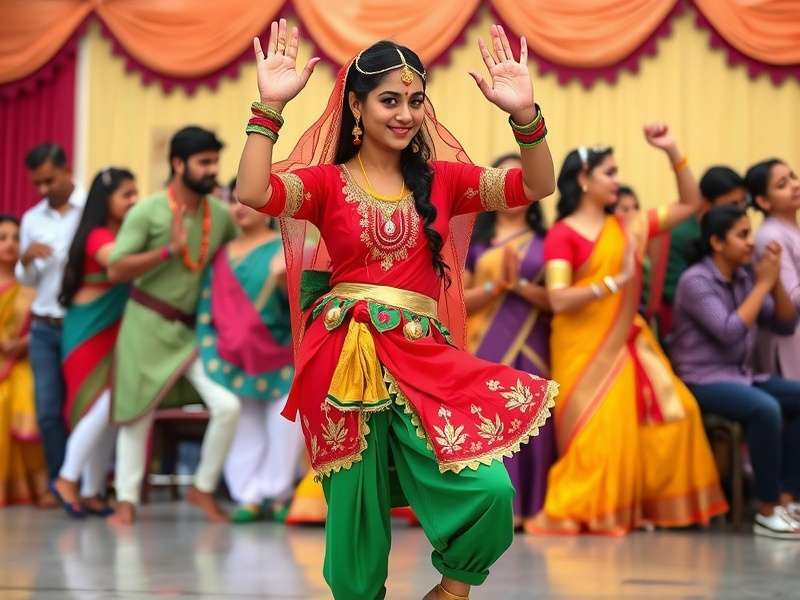
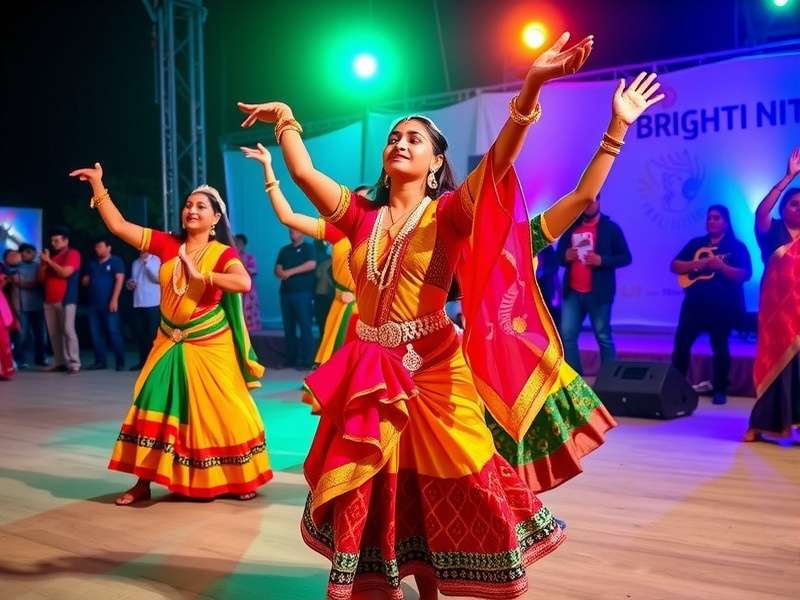
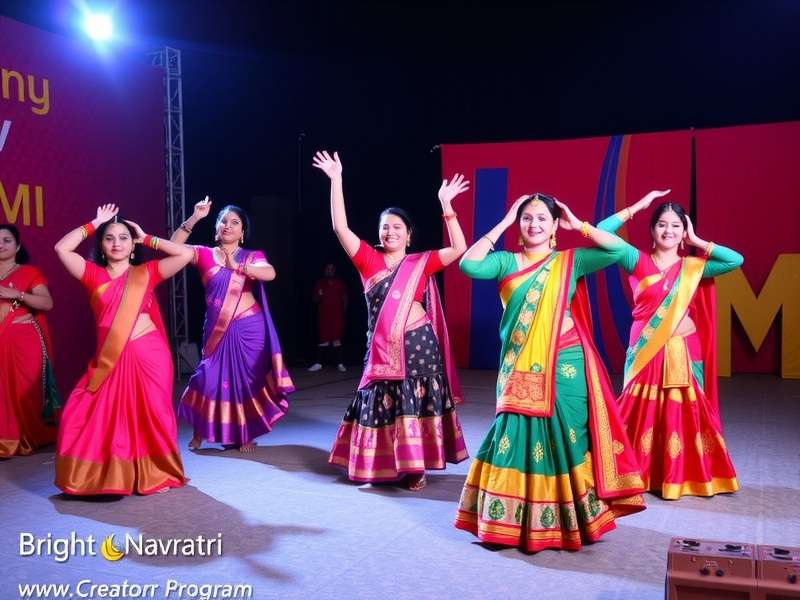

Social Interaction 👥
Bright Navratri is designed to be a social game, encouraging players to connect with friends and family both online and offline. The game allows players to add friends, form teams (called “Garba Groups”), and compete against other groups in tournaments.
Players can chat with each other in real-time using the game’s in-built chat feature, which supports both text and voice messages. They can also share their achievements, costumes, and dance videos on social media platforms like Facebook, Instagram, and WhatsApp.
The game’s Community Garba Mode is a popular social feature that allows players to join virtual garba events with friends and other players. These events often have themes, such as “Traditional Garba Night” or “Bollywood Garba Night,” and feature live DJ sets from popular garba DJs.
Bright Navratri also supports offline multiplayer, allowing players to connect their devices via Bluetooth or Wi-Fi and play together without an internet connection. This is especially popular during Navratri parties and gatherings, where friends can play the game together on a single device or across multiple devices.